Coach and Group Information > Suggested Itinerary Ideas
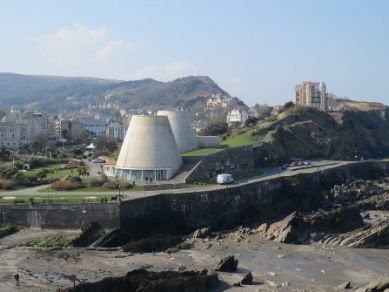
Peaceful Harbour & Secluded Coves - Option 1: Follow the A361 to the seaside resort of Ilfracombe. This wonderful town has an historic, natural harbour and is surrounded by beautiful and breathtaking scenery. The resort has been popular since the 1830's when the Victorians started to visit the area and much of the architecture today is a reminder of the Victorian era. The unique Tunnels Beaches are accessible from the town via tunnels that have been quarried beneath the cliffs and are ideal for safe bathing and exploring rock pools. Visitors can explore the bustling harbour, which has a continental atmosphere and fishing vessels jostle for space alongside the bobbing yachts. At the Old Lifeboat House you will find the Ilfracombe Aquarium. Here visitors can discover the wonders of aquatic life living in the surrounding waters. Back along the seafront the award winning Ilfracombe Museum is worth a visit too, displaying a fascinating selection of curios. Next to the museum, standing proudly, is the fabulous Landmark Theatre. With a Pavilion and Rendezvous Bar, this 460-seater theatre is an ideal all-weather venue, which regularly shows films and offers a full programme of events. With just a short walk from the seafront to the High Street, visitors will discover many more shops, cafes and historic maritime pubs, which make the town a great place to stop for lunch. Rejoin the A361 and head towards Combe Martin. After a few miles and on the right hand side you will find Watermouth Castle and Family Theme Park. Here, whatever the weather, people of all ages will discover Castle Treasures, Dungeon Labyrinth, Watermouth Fayre, Merry-go-Land, Gnomeland and Adventure Land - a great place to spend the afternoon.
Option 2: Follow the A361 from Ilfracombe towards
Combe Martin. Before Combe Martin, on the coast at Berrynarbor, lies
Watermouth Cove, with its gently shelving shoreline and many rock
pools. This naturally sheltered harbour forms part of the Voluntary
Marine Nature Reserve, which runs along the length of coastline from
Ilfracombe to Combe Martin. Continue on the A361 to Combe Martin,
located on the western edge of Exmoor. As you journey down to the pretty
sheltered village harbour, visitors will glimpse some of
the most stunning views in North Devon. The village High Street is over
2 miles long and is reputed to be the longest in the country, featuring
a wide selection of inns, shops and cafes. A popular attraction in the
village is the Pack O' Cards. Built by a local landowner in the
17th century from his winnings in a card game. The house was built to
represent a pack of cards with 4 floors, 13 rooms and a total of 52 windows.
Continue through Combe Martin to Blackmoor Gate. Turn left on the A39
to Lynton & Lynmouth. The magnificent scenery around the twin
towns of Lynton and Lynmouth prompted the Victorians to call it "The
Little Switzerland of England". A unique water powered Cliff Railway
was built in 1890 to connect Lynton to its sister resort 500 feet below
and provides some breathtaking views. Just outside Lynton is the Valley
of Rocks, an extraordinary area of strangely weathered rock formations
where many wild goats scramble. Offering a complete contrast is the walk
along the steep sided wooded valley from Lynmouth to Watersmeet
where a Victorian fishing lodge is now a National Trust teashop.
More about Coach and Group Information > Suggested Itinerary Ideas
Explore Gardens and Historic houses - Option 1: From Barnstaple follow the A361 towards Braunton and pick up the directional signs for Marwood Hill Gardens. Marwood Hill is an 18 acre garden and is the end result of the owner's passion over 50 years, collecting an enormous number of trees and shrubs, many of them very rare. There are 3 lakes, linked by the biggest Bog garden in the West, which are alive with ducks and multi-coloured carp. Retrace your journey back to Barnstaple, across Yeo Bridge, turning right at the roundabout. Continue on to Barnstaple Square, across the Long Bridge and up Sticklepath Hill until you reach the second roundabout. Go straight across and head towards Instow, via Bickington and Fremington on the B3233. Continue past the Instow sign towards Bideford and approximately 1 mile past the village on the left-hand side you will find Tapeley Park. With its 4 distinctly different themed areas set in a 35 acre site, Tapeley Gardens are home to a rich and fascinating variety of flowers, trees, shrubs and vegetables, as well as some Highland Cattle and Berkshire Pigs! No visit is complete without a leisurely walk around the woodland paths and a tour of the lake, where the spectacularly tall Thuja- Plicata trees tower overhead. Continue on the B3233 through Bideford and follow the A386 through Great Torrington. Pick up the signs for the A3124 towards Winkleigh and approximately 2 miles on the right hand side you will discover RHS Garden Rosemoor. Rosemoor has now become a garden of national importance, acclaimed by gardeners throughout the world and acknowledged as one of the most exciting horticultural accomplishments of recent years. Rosemoor is rich in variety and is a unique and enchanting garden, designed to delight and inspire any gardener, or just provide a place of quiet tranquillity whatever the season.
Option 2: From Bideford, follow the A39 and directional signs to Clovelly. The Clovelly Estate is currently undertaking a major renovation programme of the gardens adjacent to Clovelly Court. The gardens are a classic example of the Victorian kitchen garden tradition. To date, renovation of the magnificent lean-to greenhouses with their original manual levers has been completed. From the village of Clovelly a woodland walk called "The Long Walk" leads along an elegant and beautiful path to the gardens. Rejoin the A39 and head towards Hartland. From the village follow the directional signs to Hartland Abbey. From 1157-1539 the Augustinian Canons lived and gardened in this hidden paradise. In the 18th century, woodland gardens were created on either side of the Abbey, with a woodland walk to the walled kitchen gardens. The winding paths in the Baronet's Bog Garden, designed by Gertrude Jekyll and until recently hidden by undergrowth, lead to the newly discovered Victorian Fernery and the charming, secret 18th century walled gardens. Continue on the same road and follow the directional signs for Docton Mill & Gardens. Docton Mill & Gardens takes its character from its surroundings in a secluded valley of outstanding natural beauty. It is an historic scene of many individual gardens divided by restored ancient waterways. The 8 acres of outstanding gardens were created in 1980 around the original millstreams and encompass an exceptional bog garden, orchard and natural woodland.
The Rugged Wilds of Exmoor - Option 1:
Exmoor National Park is a very special place. In an area of 250 square
miles it combines stunning wild moorland with an awe inspiring coastline
that is populated with red deer, rare wild ponies and soaring birds
of prey. From Barnstaple, follow the A39 to Blackmoor Gate. Turn right
on to the A399 and head towards South Molton. A few miles on the right
hand side, you will pick up the directional signs for Exmoor Zoological
Park. This wonderful zoo is set in natural surroundings and offers
over 180 species of wildlife and hands-on activities. Rejoin the A399
and head back towards Blackmoor Gate. Just before Blackmoor Gate, turn
right on the B3358 to Simonsbath, sheltered in the valley of
the river Barle. The land around Simonsbath was once a royal hunting
forest dating back to Saxon times. Continue on towards Exford
on the B3224. Exford is a pleasant village, situated around a triangular
green and close to the river. A church, which dates back to the 16th
century, is situated up a hill just a short walk from the village. Continue
on the B3224 to Wheddon Cross where there is a very tight left-hand
turn to the medieval village of Dunster. Dunster is one of the
prettiest, most picturesque villages in Britain. Here you will discover
Dunster Castle & Garden, dramatically sited atop a wooded
hill overlooking the quaint village high street. The castle is Norman
in origin and has changed considerably over the past eight hundred years.
There is an eleventh century
tower and a Tudor front. The gateway leading up to the terrace has been
in use for 650 years!
Option 2: Follow the A39 to Lynton & Lynmouth. On the approach into Lynton & Lynmouth, stay on the A39 and continue on to the Watersmeet Road. Just before the junction at Lynmouth, on the right hand side, you will discover the Exmoor Brass Rubbing Centre. With a collection of over 200 brasses and rubbing plates, visitors can take away their very own rubbings (supervision and materials are provided). Follow the A39 up Countisbury Hill, beneath which you will find the highest sea cliffs in England, and continue to Porlock. Porlock is cradled snugly in a glorious amphitheatre made up from of the hills of Exmoor, which rise steeply on three sides of the village. Porlock is famous for its very steep hill. Modern cars can negotiate it without difficulty, although lorries and coaches do occasionally get stuck! Visitors will find the village traditional and welcoming with a wide variety of shops, cafes and restaurants. Rejoin the A39 and continue to the medieval village of Dunster. Dunster is one of the prettiest, most picturesque villages in Britain. Deep in National Trust country it has a multitude of medieval buildings and is an ideal walking area with moorland, rolling hills and coastal walks. The High Street offers many shops, cafes, restaurants and pubs too, and is also dominated by the old Yarn Market, a reminder of the heyday of the woollen industry. Only minutes from the High Street, you will discover the superb working Dunster Water Mill, the West Country's finest working water mill. Built in 1680, the mill is set in magnificent surroundings alongside the River Avill overlooking Exmoor National Park and Dunster Castle. A visit to Dunster Castle & Garden is a must!
Market Towns, Heritage & Shopping - Option 1: Barnstaple is the regional retail and commercial centre in North Devon, with an extensive range of outlets including all the High Street favourites as well as a diverse selection of local stores. Being the country's oldest borough, it also provides more traditional shopping experiences. Most notably, the Victorian Pannier Market. Listed as one of the top twelve indoor markets of its type in the country, visitors will be amazed at the variety of stalls on offer and enjoy the experience of a bustling atmosphere. Also, nearby Butchers Row, a street filled with open fronted shops selling, meat, fish, vegetables and even seaweed, is not to be missed! Alternatively, Green Lanes Shopping Centre provides covered malls with over 40 well known outlets. Take time out in the town and visit the Barnstaple Heritage Centre. Situated in a fine Grade I listed building at Queen Anne's Walk, the Centre is a hands-on attraction, which tells the story of the town's 1000-year heritage. The Museum of Barnstaple & North Devon is worth a visit too. In 1996, Barnstaple won the 'Gold Award' for the 'Prettiest Floral Town in Europe' in the Entente Florale Competition. In 1998 the town won the 'World in Bloom' award too and in 1999, the national title for the Best Town category. From June to September a Floral Walk starting in Rock Park and continuing along the riverside into the High Street, takes in most of the floral displays. Finally, the Queen's Theatre in the town provides year round entertainment including concerts, shows and plays. Leaving the town across the Long ridge, travel up Sticklepath Hill and head towards the A39. At Roundswell you will discover Brannam Pottery. This wonderful attraction is based around Britain's most traditional terracotta pottery and visitors will enjoy the museum and factory tour.
Option 2: Off the A39, you will discover Bideford, a thriving market town. The town boasts modern amenities, a strong maritime look, a very attractive quay front and medieval Long Bridge. Amongst the many buildings and places of interest, you will find the historic covered Pannier Market. Dating back to 1884, it is open all year and holds a market every Tuesday and Saturday. It also includes Butchers Row and Market Place shops, offering an attractive array of goods. Around the town and in the High Street you will also find modern shopping amenities and a wide choice of bars and restaurants. Just west of Bideford, off the A39, you will discover the new discount outlet shopping centre of Atlantic Village, offering more than 35 shops and a covered mall. With food courts, arts and crafts pavilion plus Discovery Island Adventure Theme Park, it is a wonderful family visitor attraction. Follow the A39 towards Barnstaple and pick up the A361 and head towards the M5. Turn right at the roundabout by the Little Chef and follow the signs for South Molton. South Molton is rich in traditional architecture and has a growing reputation for its antique shops, fine arts and crafts and local produce such as honey and delicious chocolates. Part of the town's wonderful Guildhall Building houses a glass roofed Pannier Market where visitors can treat themselves to home-made cakes, bread, jams, locally produced cheeses, eggs and flowers.
Journey along the Atlantic Highway - Option 1: Follow the A39 from Bideford's new bridge towards Bude and you will discover some fantastic attractions and scenery along the way. Situated approximately 2 miles from Bideford, off the A39, you will find the Big Sheep. With live shows throughout the day your group will certainly be entertained. This unique all-weather attraction offers several main features including a sheep show, duck trialing, undercover adventure playground, brewery, and not forgetting the famous sheep racing. Visitors can enjoy lunch or simply a cream tea at the attraction's Shepherds Restaurant. Retrace your journey and turn right, back on to the A39 for 1 mile until you reach the Abbotsham roundabout. Turn left towards Bideford and approximately 1 mile on the right hand side visitors will love Atlantic Village. There's great shopping here where a beautiful covered mall houses 35 stores offering up to 50% off famous brands everyday. There is also an arts and crafts pavilion, visitor garden and Discovery Island Adventure Theme Park. With a large food court and café, you could choose to stop here for lunch. Leaving the village, turn left back to the Abbotsham oundabout, then left again on to the A39. Travelling for approximately 15 minutes you will pick up the signs for Clovelly Village. You can stop for the afternoon here at this unique, unchanging and unforgettable village where Charles Kingsley was inspired to write The Water Babies. Clovelly boasts a 14th century harbour and is the perfect place to relax and unwind. There is a wonderful Visitor Centre, Court Gardens, famous donkeys and a new Craft Workshop for all ages to enjoy. Finally, a steeply winding cobbled street lined with wonderful fishermen's cottages leading to the harbour will make the visit unforgettable!
Option 2: On the A39 towards Bude, drive for approximately 15 minutes and you will discover the Milky Way Adventure Park. North Devon's largest all-weather adventure park offers a galaxy of entertainment with a Bird of Prey Centre and rides such as Droid Destroyers and the Clone Zone. With live shows, archery, the Galactic Café and the South West's largest indoor adventure play area, there's fun for all the family. Rejoin the A39 and turn right following the signs to Hartland and pick up the directional signs to Hartland Abbey, a former monastery, which has been a family home since 1539. There is much to discover here with fascinating architecture, pictures, furniture, porcelain, early photographs and a museum. Enjoy the beautiful woodland gardens, romantic walled gardens, peacocks, donkeys, a wonderful walk to the Atlantic Cove or simply a cream tea. Retrace your path and rejoin the A39 turning right towards Bude. Approximately 15 minutes drive will bring you to the village of Kilkhampton where you can follow the directional signs to Brocklands Adventure Park. This family attraction offers a host of exciting activities for all ages including Supa-Karts, Ball Pools, Bumper Boats, Steam Train, Giant Tube Slide and Ride-On Racing Cars. There is also a wonderful Wildlife Walk and the Click-On-Centre, where visitors can learn a great deal using interactive computers. For a meal, snack or simply a delicious cream tea, a visit to Pippa's Café on-site is a must!
Sun, Sea & Maritime History - Option 1: From Bideford's Torridge Bridge, follow the signs to Appledore, a unique little fishing village that is full of history. Here visitors will discover watch towers, look-outs, a smugglers tunnel, fishermen's cottages, captains' houses and a quay which overlooks the meeting point of the rivers Torridge and Taw before they flow through the "pool" and over the "bar" into Bideford Bay. The village has been a thriving port since it was settled by the Cistercian monks in the 14th century, and, before that, the Anglo-Saxons fished from its shores. A visit to the North Devon Maritime Museum in Appledore is a must. Here the area's maritime history is well documented and preserved and there is a special display devoted to Prince Edward Island in Canada. Links were forged with Canada by local shipbuilders who emigrated because of the shortage of timber in the Appledore area. Over the years the village has attracted the attention of many artists too and a number of galleries have been opened. There are also butchers', grocers' and fishmongers' shops, some of which have been run by the same families for generations. With a good selection of pubs and restaurants, Appledore is an ideal location to stop for lunch. Depending on the tide you can take a pleasure craft offering Tarka Cruises on the river, for take the ferry (seasonal only) across the estuary to Instow, a charming waterside village boasting soft golden sands and a cosmopolitan yacht club. Instow is also home to the North Devon Cricket Club.
Option 2: From the A39 you will discover the little white town of Bideford. Bideford has been slow to change over the years, indeed much of its architecture and historic associations still exist. Little has changed from when Charles Kingsley lived in the area nearly 150 years ago. Kingsley's statue, located adjacent to the Tourist Information Centre, serves as a permanent reminder of this famous resident and the time he spent here writing part of his well known novel Westward Ho! Today, Bideford is both a thriving market town and working port, and amongst the many buildings and places of nterest, you will find the historic covered Pannier Market. Dating back to 1884, it is open all year and holds a market every Tuesday and Saturday. Alongside the history in Bideford you will find modern shopping amenities and a wide choice of bars and restaurants. The working harbour is home to fishing vessels and the MS Oldenburg, which sales back and forth to Lundy Island. Cross the ancient Long Bridge, with its 24 arches, and pay a visit to the Kathleen & May, an historic three-masted schooner, which is currently being restored. Follow Kingsley Road to the A39. Go straight across the roundabout and follow the signs to Westward Ho!, a wonderful little seaside resort that has been a popular holiday destination since Victorian times. The village is fronted by over 2 miles of golden sand, and is protected by the famous pebble ridge and long promenade. Behind the pebble ridge lies the Northam Burrows Country Park, with nearly 1000 acres of common ground to explore. All the traditional seaside attractions are situated on the promenade and within the village, which provides a vibrant atmosphere and happy bustling shopping centre.
Option 1: From Barnstaple travel along the A361 towards the M5. Turn right at the roundabout by the Little Chef and follow the signs for South Molton. On the approach to the town you will discover Quince Honey Farm which boasts the world's largest living honeybee exhibition. This farm offers a fascinating insight into the life of the honeybee and the process of producing honey. There is also a wonderful gift shop here, where visitors can purchase many honey and beeswax products. Continue your drive into the historic market town of South Molton, a thriving centre of the arts and antiques trades. Part of the town's wonderful Guildhall Building houses a glass roofed Pannier Market where visitors can treat themselves to home-made cakes, bread, jams, locally produced cheeses, eggs and flowers. Why not stop in the town for lunch and allow time to look at the rest of the wonderful architecturally interesting buildings, the Town Hall being just one fine example. Visitors can find out much more about the fascinating history of the area at the South Molton & District Museum. After lunch, retrace your journey back out of the town and pick up the signs for the Cobbaton Combat Collection. This unique attraction has recently celebrated its 21st anniversary and is a result of one man's obsession for collecting militaria from tin hats to tanks, in fact, anything pertaining to the armies of the world and to the civilians who were involved with them. Visit the NAAFI Wagon for light refreshments too!
Option 2: Take the A386 from Bideford through green and fertile North Devon countryside to Great Torrington. There are ample parking facilities in the town centre, convenient for visitors to explore this wonderful ancient town which was mentioned in the Doomsday Book in 1086. By the Town Square you will find the Town Hall, which plays host to the town's free Museum. Nearby is the recently refurbished Victorian Pannier Market, which houses a variety of shops and craft workshops selling local produce, gifts and collectibles. The Plough Arts Centre is off the square too, playing host to many productions and exhibitions all year round. A visit to Torrington 1646 is a must! Allow more time here where colourful 17th century characters will guide visitors to safety behind battle lines. You can try on armour, dress in period costume, enjoy magnificent views of the Torridge Valley and learn some of the secrets of 17th century medicine and cooking in the Physic Garden. After lunch travel 5 minutes and visit the internationally famous Dartington Crystal on the other side of the A386 New Street. There's fun for all ages in the glass activity area where you can discover the fascinating story of glass and get really close to the action. With the biggest glass shop in the country you are sure to find some wonderful gifts. Turn left, back on to A386 New Street. Right at the next roundabout will take you down New Road where you need to turn left on the A3124 towards Winkleigh. A short distance on the right hand side is beautiful RHS Garden Rosemoor. Here visitors can enjoy the diversity of an attraction that is acclaimed by gardeners throughout the world, a unique and enchanting place where your group can relax and enjoy a cream tea too!
A Trip to the Golden Coast - Option 1 :From Barnstaple, follow the A361 towards Ilfracombe. Approximately 1 mile out of town on the left hand side you will find Lets Go Superbowl. Whatever the weather, this great attraction offers fun for all the family, including 10 bowling lanes, a megazone laser tag arena and children's fun zone. Situated a few hundred yards away, is the North Devon Karting Centre. Helmets are provided for experts and beginners looking to enjoy racing on either a 400 or 200 metre circuit. Rejoin the A361 towards Ilfracombe for approximately 4 miles until you reach the village of Braunton, which claims to be the largest village in England! The old part of the village contains narrow ancient streets where cob-walled cottages are still visible. The Braunton & District Museum is a great place to learn about the village's agricultural and marine history. With a good selection of pubs and restaurants, Braunton is an ideal location to stop for lunch. Continue on the A361 towards Ilfracombe and at Mullacott Cross, turn left and follow the B3343 towards Woolacombe. On the left you will see Once Upon A Time, a fantasy land attraction for children 3 to 11 years of age. Continue on the B3343 to Woolacombe. Woolacombe's popularity has never been greater and has achieved both the Blue Flag and Premier Beach Seaside Award for its attractive sandy beach. Almost 3 miles of golden sands stretch from Putsborough in the south to Woolacombe Village itself, making this area ideal for families and watersports enthusiasts. With a wide selection of shops, cafes and restaurants, why not spend the rest of the day here!
Option 2: From Barnstaple, follow the A361 towards
Ilfracombe for approximately 5 miles until you reach the village of
Braunton. Turn left at the crossroads in the village centre and take
the B3231 towards Croyde. A few miles on the left-hand side you will
discover breathtaking Saunton Sands, which stretch for miles.
Behind the beach lies Braunton Burrows, a Site of Special Scientific
Interest, which hosts the largest sand dune system in the UK covering
over 6km along the shore and some 2km inland. The Burrows has a wild
and natural landscape including Braunton Marsh and the famous
archaeological site of Braunton Great Field, one of the few remaining
examples of medieval strip farming left in the country, which is still
farmed today. Continue on the B3231 until you reach the wonderful village
of Croyde. Dating back to pre Saxon times, Croyde is one of the
prettiest villages in Devon. The beach itself is famous worldwide as a
popular surfing centre and is flanked on one side by the dramatic headland
of Baggy Point. Well known for its ice cream and clotted cream
shops and many great pubs, cafes and restaurants, Croyde is an ideal location
at which to stop for lunch. Travel back to Braunton and rejoin the A361
towards Ilfracombe. At Mullacott Cross, turn left and follow the B3343
to Woolacombe. Each year Woolacombe plays host to several surfing
and surf life-saving competitions, and the village is famous for its annual
Grand Sandcastle Building Competition, where up to 40 teams create spectacular
giant sculptures in the sand .